Athens Airport to Piraeus: transport options compared
| Option | Cost | Time | Notes |
|---|---|---|---|
| Metro (Line 3) | €9 | ~60 min | Direct to Piraeus on Line 3; runs roughly 06:30-23:30 |
| Bus X96 (express) | €5.50 | ~90 min | 24/7 direct airport-Piraeus express; pay at the booth or onboard |
| Taxi | €55–70 (metered) | 45–75 min | Metered — the flat airport fare covers central Athens only; agree the fare first |
Indicative 2026 fares and times - confirm current prices and timetables before you travel.
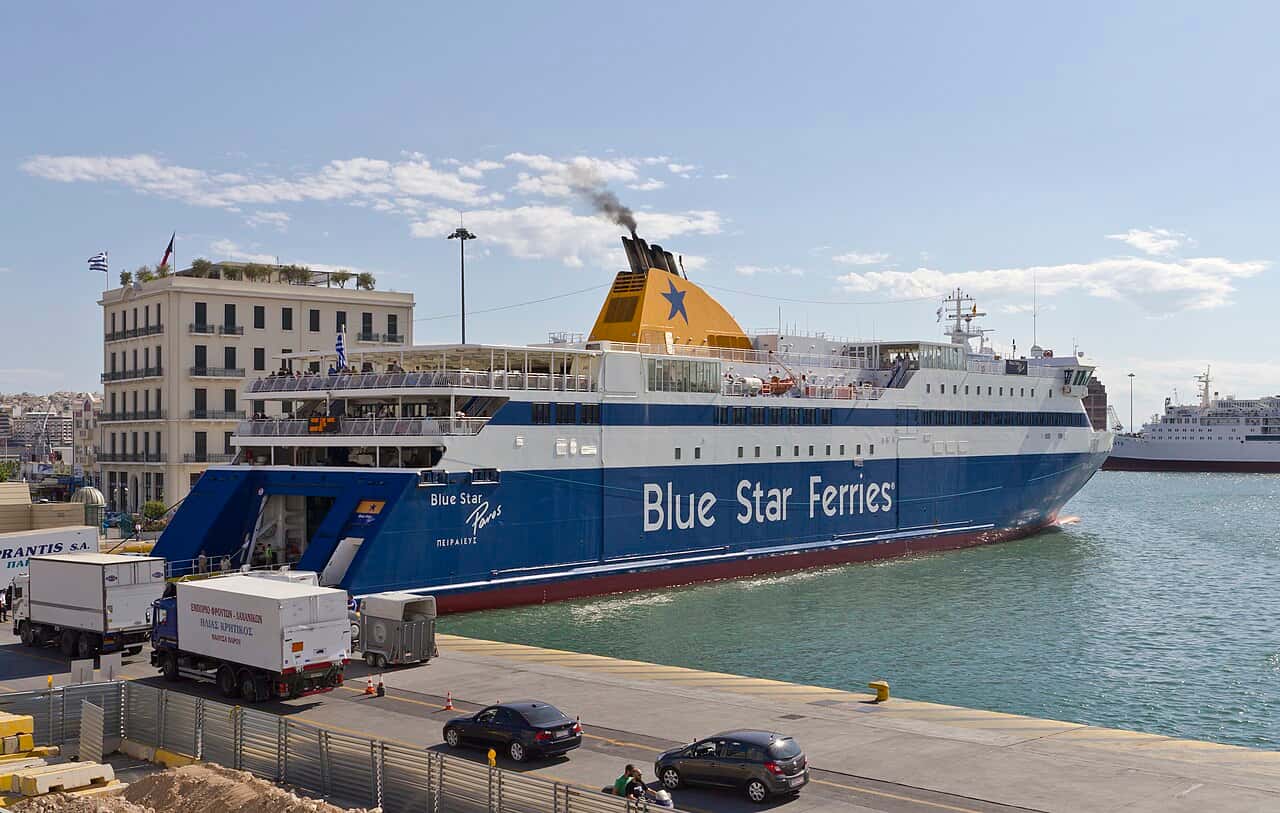
Most travellers who land at Athens International Airport (Eleftherios Venizelos) are not staying in the city. They are heading for a ferry, and the busiest gateway to the Greek islands is Piraeus, the largest passenger port in Europe. The airport sits on the eastern side of Attica and Piraeus on the western coast, so the trip crosses the whole metropolitan area, about 50 km. This guide compares the three realistic ways to make that connection, with current prices and journey times, so you can match your ferry departure to the right transfer.
Is there a direct train from Athens Airport to Piraeus?
Yes. The suburban railway (Proastiakos) runs directly from the airport railway station to Piraeus roughly once an hour, taking about 60 minutes; a single ticket costs €9 (€4.50 reduced), the same fare class as the metro. Metro Line 3 is the second rail option and departs more often, so for most ferry passengers the metro is the simpler choice, while the train suits travellers who prefer a seat and a single ride without transfers. Full timetables and station details are on our Athens Airport train guide.
How do you get from Athens Airport to Piraeus by metro?
The most reliable option is Metro Line 3 (the blue line), which was extended all the way to Piraeus in 2022 and now runs directly from the airport station to the port without a change of train. A single ticket from the airport costs €9 per adult (reduced fares apply for under-18s and over-65s), and the ride takes roughly 55 to 70 minutes depending on the timetable.
Trains do not run around the clock. The first departure from the airport is in the early morning and the last leaves before midnight, with a train roughly every 36 minutes. Because the frequency is low by metro standards, check the posted schedule at the airport station the moment you clear arrivals, and build in a buffer so a missed train does not cost you a ferry.
The Piraeus metro station sits next to the port's main building. Ferry gates (E1 to E12) are spread along a long waterfront, and some are a 10 to 20 minute walk or a short shuttle ride from the station, so allow extra time once you arrive. If you are carrying heavy luggage, the metro is still manageable because both the airport and Piraeus stations have lifts.
Is the X96 express bus a better choice?
The X96 express bus is the better pick when the metro is closed or when your gate is at the far end of the port. It normally runs through the day and night between the airport and Piraeus, costs €5.50 per adult, and is the cheapest direct connection. Schedules can change during roadworks, so check the current times before relying on it for a very early or very late start. Buses leave from outside the arrivals hall and stop at several points along the port, which can save you the walk that the metro leaves you with.
The trade-off is time and predictability. The operator's own estimate for the journey is about 90 minutes, and Athens traffic can stretch it further during the morning and evening peaks. For an early ferry it is the only public option while the metro is shut, but for a daytime crossing the metro is usually faster and free of traffic.
A practical rule helps here: if your ferry leaves within three hours of landing, the bus leaves too little margin during peak traffic. In that window, the metro or a taxi is the safer choice.
How much does a taxi from Athens Airport to Piraeus cost?
A taxi is the fastest and simplest option, especially with luggage or a group, and it drops you at the exact ferry gate. Unlike the fixed airport-to-city-centre flat fare, the run to Piraeus is metered, and a typical fare lands between €55 and €70 by day, with night, holiday and luggage surcharges pushing it higher. Agree on the expected fare with the driver before you set off, and use only the official taxi rank outside arrivals.
The drive takes about 45 to 60 minutes off-peak. Pre-booked private transfers cost a little more than a street taxi but lock in a flat price and a named driver, which removes the fare uncertainty. Our Athens airport taxis guide covers ranks, official tariffs and booking in more detail.
Which islands sail from Piraeus?
Piraeus is the hub for the widest range of routes in Greece. From here you can reach the Cyclades (Mykonos, Santorini, Naxos, Paros), the Saronic islands (Aegina, Poros, Hydra), the Dodecanese (Rhodes, Kos), Crete and more, on both conventional ferries and high-speed catamarans. Cruise ships also dock at the dedicated cruise terminal on the southern side of the port.
Because the port is so large, your ticket will name a specific gate. Confirm it when you buy the ticket, then plan the last leg from the metro or bus stop to that gate into your timing.
Where do you buy ferry tickets and when should you arrive?
Buy your ferry ticket before you reach the port, especially in summer. Popular crossings to Santorini, Mykonos and Naxos sell out days ahead in July and August, and the ticket windows at Piraeus can have long queues at peak hours. Most operators sell e-tickets online, but some routes still require you to collect a paper boarding pass from a counter or a machine at the port, so read the conditions when you book.
Plan to be at your gate at least 30 to 60 minutes before departure. Conventional ferries usually ask vehicles and foot passengers to board around 30 minutes before sailing, while high-speed catamarans often close boarding earlier and are stricter about it. If you are bringing a car or a lot of luggage, give yourself the full hour.
Two seasonal factors are worth knowing. First, summer schedules are far denser than winter ones, so an off-season trip may offer only one or two sailings a day to a given island. Second, Greek ferry crews occasionally hold 24-hour strikes that suspend all departures; these are announced in advance, so check the news and your operator's notices a day or two before you fly if your dates are flexible.
A short connection is possible but tight. If you land and your ferry leaves within two hours, you are relying on fast baggage delivery, a short passport queue and clear roads at once. When the schedule allows, give yourself a half-day cushion in Athens or book a later sailing, and treat the metro timetable, not the ferry time, as your real constraint on the way to the port.
How long does the whole trip take door to gate?
Counting from the aircraft door to the ferry gate, budget about two hours for the metro or bus and around 90 minutes for a taxi, including passport control, baggage reclaim, the transfer itself and the walk to your gate at Piraeus. That total, not the headline transfer time, is what should shape your booking.
The single number that should drive your decision is your buffer: the time between landing (plus baggage and passport control) and your ferry's boarding cut-off. With more than four hours, any option works and the metro is the best value. With two to three hours, take a taxi or the metro and skip the bus during peak traffic. Always confirm both your ferry gate and the current schedule before you commit, because timetables change by season.
For live flight information on the way back, see Athens airport departures, and for the reverse trip plan your arrivals connection in advance.
Heading onward to the islands? Our guide to which Athens port to use for your island — Piraeus, Rafina or Lavrio compares journey times, taxi fares and ferry patterns from the airport. For the third port, see getting from the airport to Lavrio.
Sailing from the other harbour instead? See our guide to heading to Rafina port. Your trip starts the moment you land, so check Athens Airport arrivals for the fastest way out of the terminal.